
Our Mission
A rare disease should never be a barrier to learning.
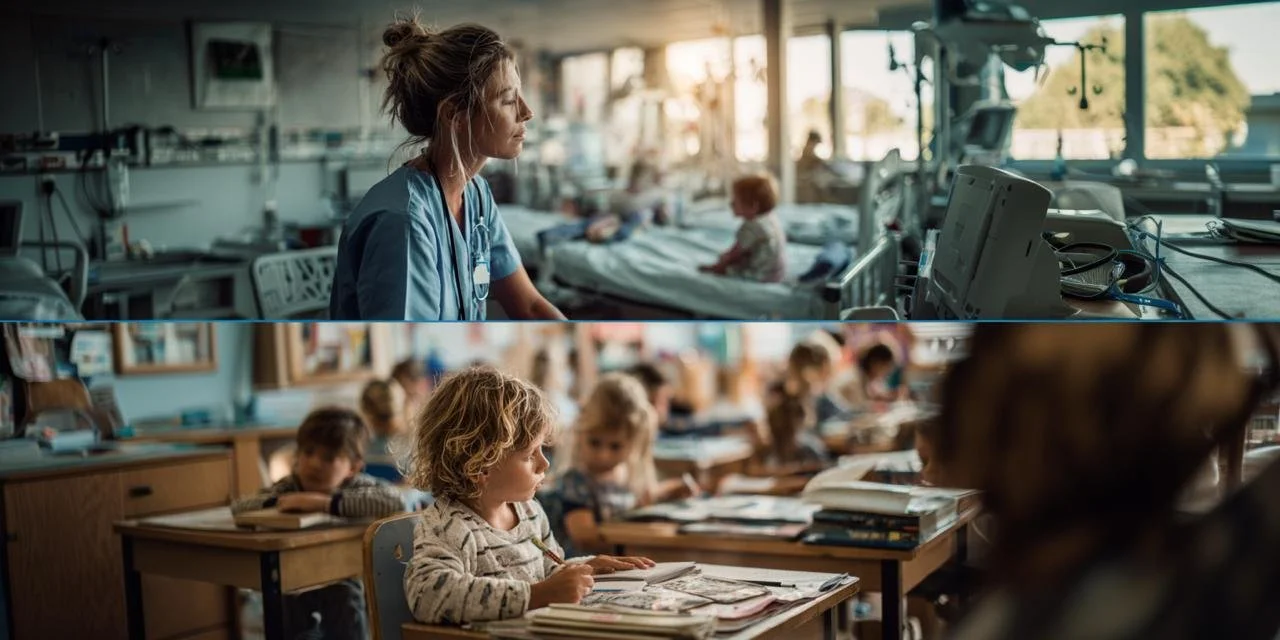
Rare4Schools aims to support schools to better understand and include children with rare diseases - reducing isolation, easing parental anxiety and ensuring every child has equal access to learning.
“Health is a state of complete physical, mental and social well-being and not merely the absence of disease or infirmity” WHO

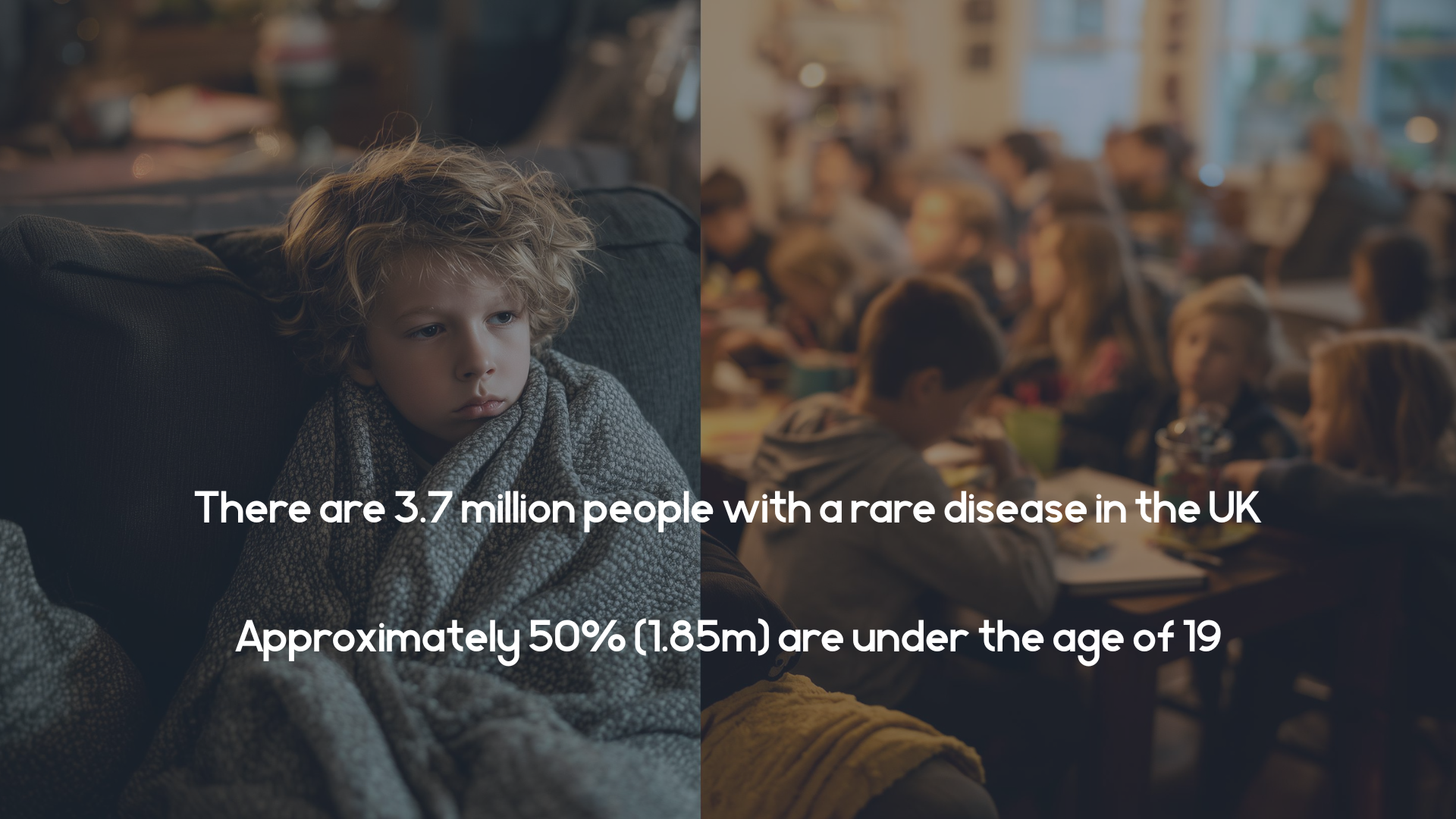
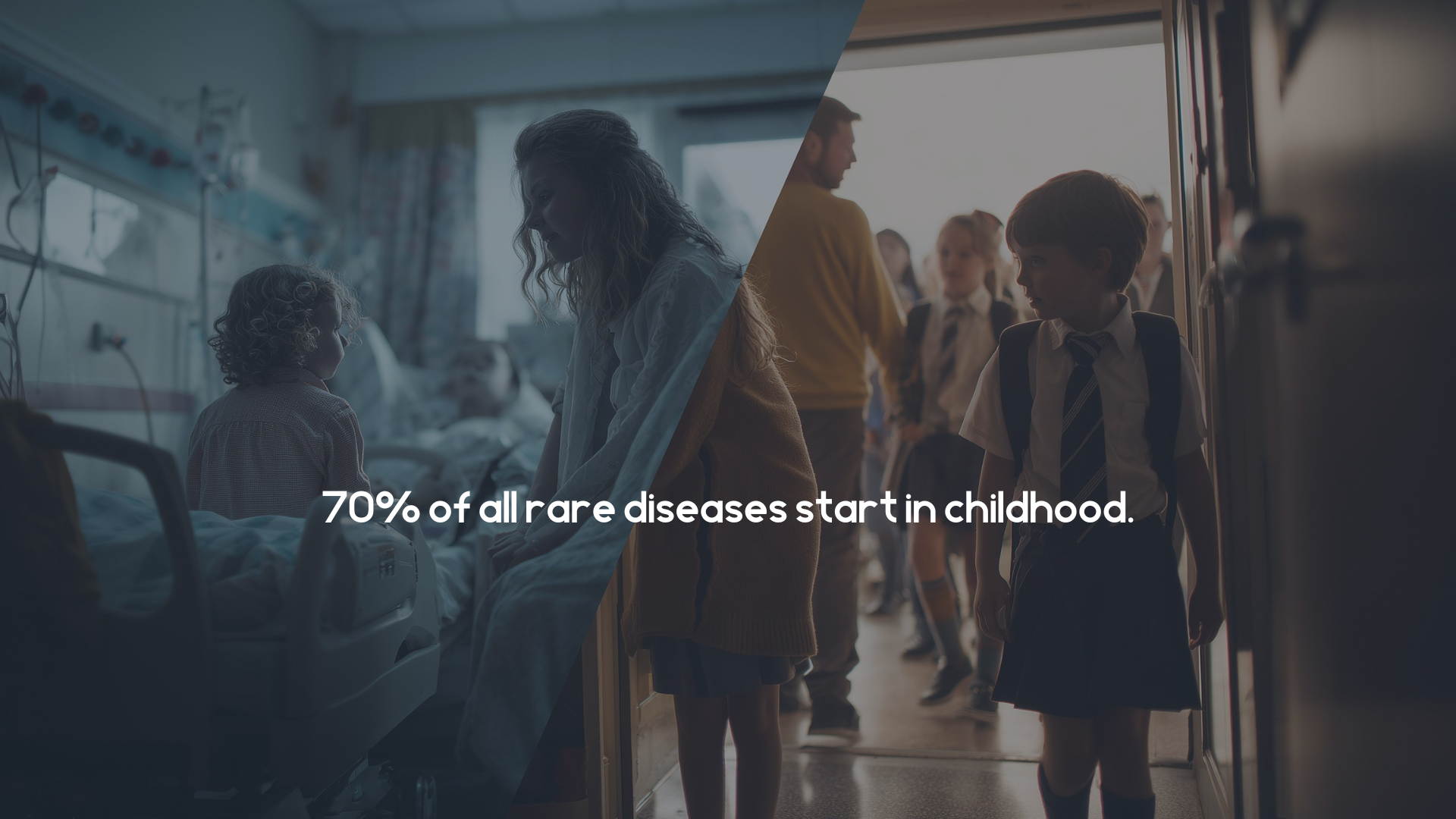
While any single rare disease impacts very few people by it's very definition the quantity of rare diseases means that collectively they are not rare with some 2.7 million children affected in the UK. Unfortunately for those suffering with rare diseases they are often left floundering for support in an education system that cannot be expected to be aware of every rare disease. More common conditions such as diabetes and cerebral palsy have long established norms of care and large organisations behind them with schools having some prior experience with such conditions. Further compounding this need is the isolation that children with rare diseases feel when they are unlikely to meet anyone with the same condition. This leads to stigma and anxiety.
Finally, for parents the challenges can be many when we consider we ask them to trust their child to someone else's care who does not know the condition. This can lead to parents feeling anxious about school and increasing chances of home schooling which leads to further isolation.
Rare4Schools is a compassion first organisation that aims to bring an equality in access to learning providing schools with support that enables them to better meet the needs of all children. In 2025 the World Health Assembly 78 passed a resolution declaring rare diseases a global emergency. While we welcome governments focus on health the WHO includes social and mental health as key components in their definition of health. As such schooling should form any part of the discussion in meeting the obligations of governments in addressing this global emergency.
Our 4 pathways to success
A Framework - provides a structure for schools and families to support children in achieving their best.
A Toolkit - we are developing a toolkit to provide continual support to schools and families to put the framework into practise.
A Hub - our hub will provide links to other organisations and blogs for parents to support engagement with schools.
A Voice - we will advocate for families with parliamentarians, the DfE and school systems to give families a voice.


The Weight of Rare Disease
This award winning documentary from the Rare Care Comprehensive Centre in Perth Australia captures the emotion of the isolation and challenges children with rare conditions face in school.
Why did we decide to sit and write a Rare4Schools Disease Framework?
Read the first two paragraphs of the framework's foreword as written by Sir Al Aynsley-Green Kt. for the answer.
Sir Al has spent his life advocating for children both with the NHS in paediatric endocrinology and in politics as the UK's first Children's Commissioner.
Here is a small part of what he has to say:
"Imagine the scene. You are the parents of an eagerly awaited newly born infant, expecting the child to be a healthy, ‘bonny bouncing baby’. Then someone comes along and says ‘Sorry, guys, you have a child with not only a serious problem but one that will be life-long’. Your life changes immediately, your hopes and expectations for your child’s future dashed to pieces replaced by grief over what you have lost, and deep uncertainty over what will happen next. ‘Falling off a cliff into a swamp of despair and fear’ is how one father described it to me.
I have sat with countless families listening to their often harrowing stories of the ‘journeys’ they have experienced with their child, them being particularly angry over how the bad news was conveyed to them, the lack of compassion for them in their hours of grief, alongside deep frustration in getting honest answers to their manyfold questions. They find the ‘bunkers and silos’ between health agencies to be massive obstacles to overcome immediately, then followed by what they perceive to be insurmountable failures to get needs-based, integrated plans declared across health, social care, and education."
Can there be any better reason to support the creation of the framework?
It’s time to make a difference!
