Fighting for My Child’s Right to an Education
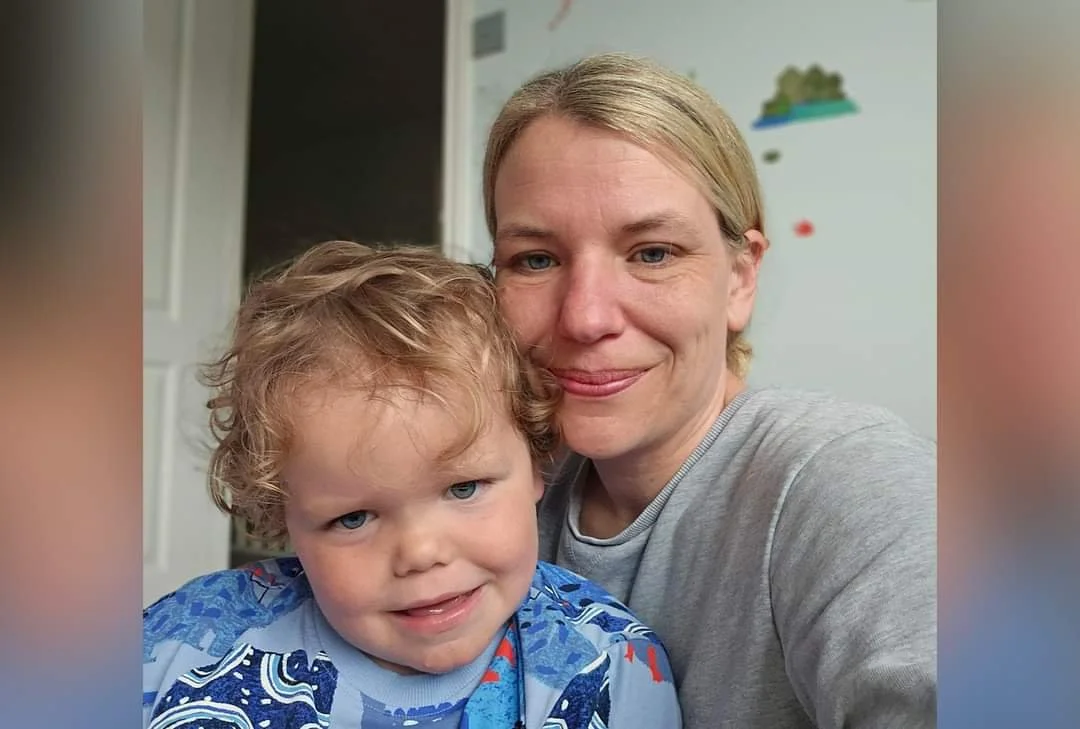
Amy and Logan never imagined the fight they had ahead just to attend school.
Before we even began looking for a school place, the barriers had already started. We struggled to find a preschool willing to accept my son. His rare bleeding disorder made settings nervous. Instead of taking the time to understand what his needs actually were, many simply told us he would be “too expensive” to support. They spoke openly about the “additional costs” of having him in their setting, as though he was a financial burden rather than a child deserving of the same opportunities as everyone else.
I cannot describe the feeling of hearing people talk about the cost of your child’s existence as a justification for turning them away.
A Rare Disease With Physical Needs Only
My son has a rare bleeding disorder. It affects him physically, not emotionally, not behaviourally and not developmentally. He is bright, social and capable. His only need is urgent, life saving treatment if he has a bleed. Because his needs are medical rather than educational, he does not qualify for an EHCP.
And yet, time after time, we were met with barriers that should never have existed.
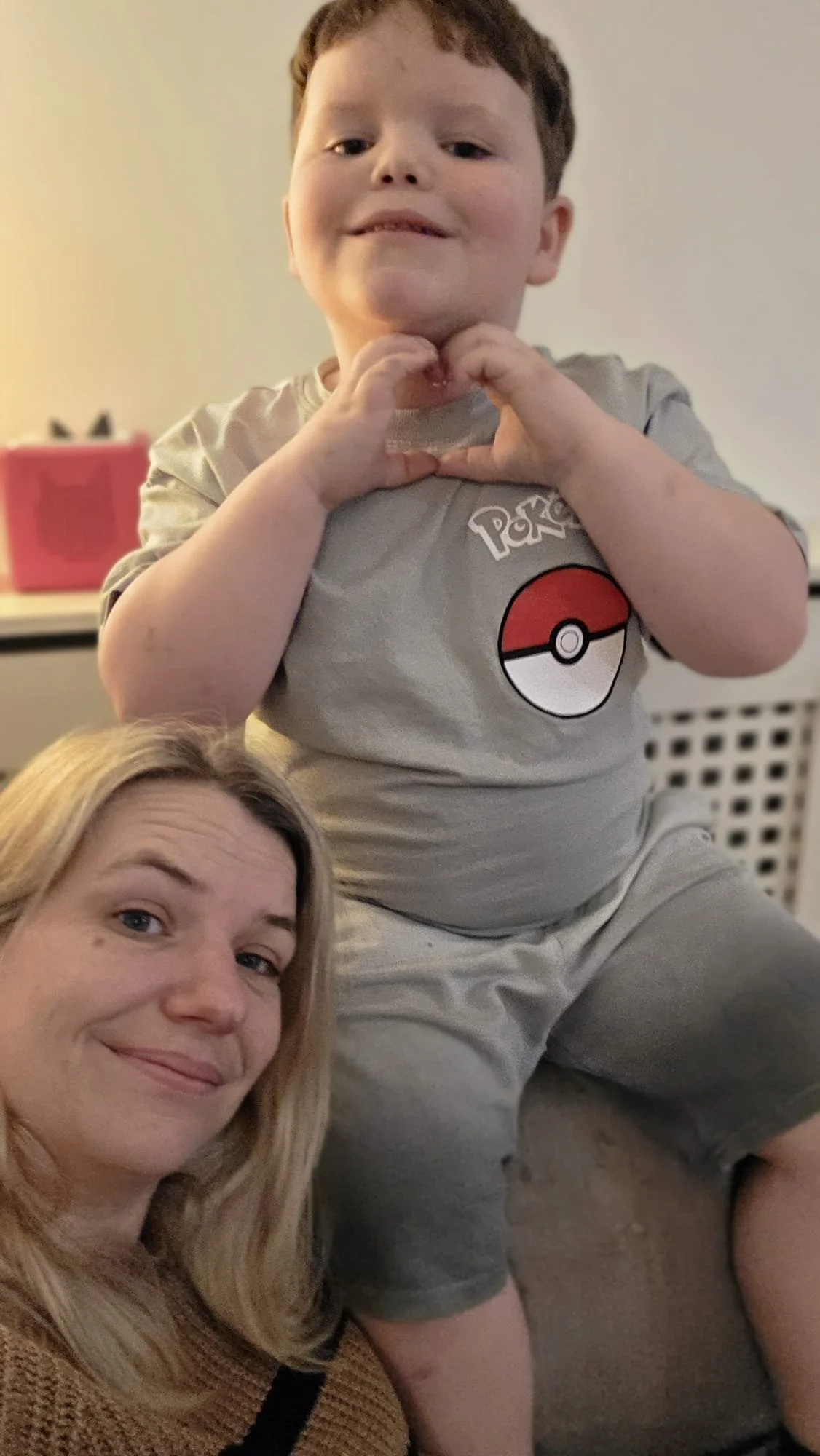
Logan, Amy and the family had a long fight for Logan’s education
State Schools Refusing Him Before Even Meeting Him
When we approached state schools, I explained everything clearly. I told them what the emergency plan involved. I explained that he does not require 1 to 1 support or constant supervision. But instead of listening, they made assumptions.
Some refused to consider him without an EHCP he does not qualify for. Others claimed they could not manage his needs. One school went as far as saying they had to prioritise their staff’s mental wellbeing when deciding whether to admit him.
To hear a professional imply that my child might harm an adult’s mental wellbeing simply because he has a rare medical condition was devastating. I left those meetings, got into my car and cried. Not because of his diagnosis, but because of the judgement surrounding it.
His Basic Human Rights Were Being Ignored
My frustration did not come from inconvenience. It came from the fact that my son’s basic human right to an education was being denied. Article 28 of the United Nations Convention on the Rights of the Child states that every child has the right to education. Yet here we were, being blocked at every turn because schools did not want the responsibility.
Services Passed Us Back and Forth
I contacted every service imaginable. The local authority said it was a health issue. Health said it was an education issue. We were passed back and forth endlessly. Nobody took responsibility.
In desperation, I even self referred to Children’s Services for Early Help. Their suggestions were CAMHS under fives and a parenting course. Neither of these had anything to do with my son’s rare disease or his right to a school place.
Independent Schools Were No Better At First
We turned to independent schools thinking they might be more flexible. The first one refused him before even observing him. They made the same assumptions and offered the same excuses.
Another no. Another closed door.
The Only Alternative Schools Offered: Quit Work
Schools told us our other option was to:
• give up work and homeschool, or
• be permanently on-call in case he had a bleed.
As a mental health nurse who has worked incredibly hard for my career, being told I should abandon it to compensate for a system failing my child was insulting and heartbreaking. My job matters to me, and my independence matters to me. I should not have to sacrifice my entire career because schools refuse to meet their legal obligations.
Finally, a School That Said Yes
Eventually, we found an independent school willing to listen. They asked questions. They took time to understand his condition. They treated him with respect rather than fear. Acceptance came with conditions and a contract, but it was still a yes that changed everything.
Sibling Resilience Through Uncertainty
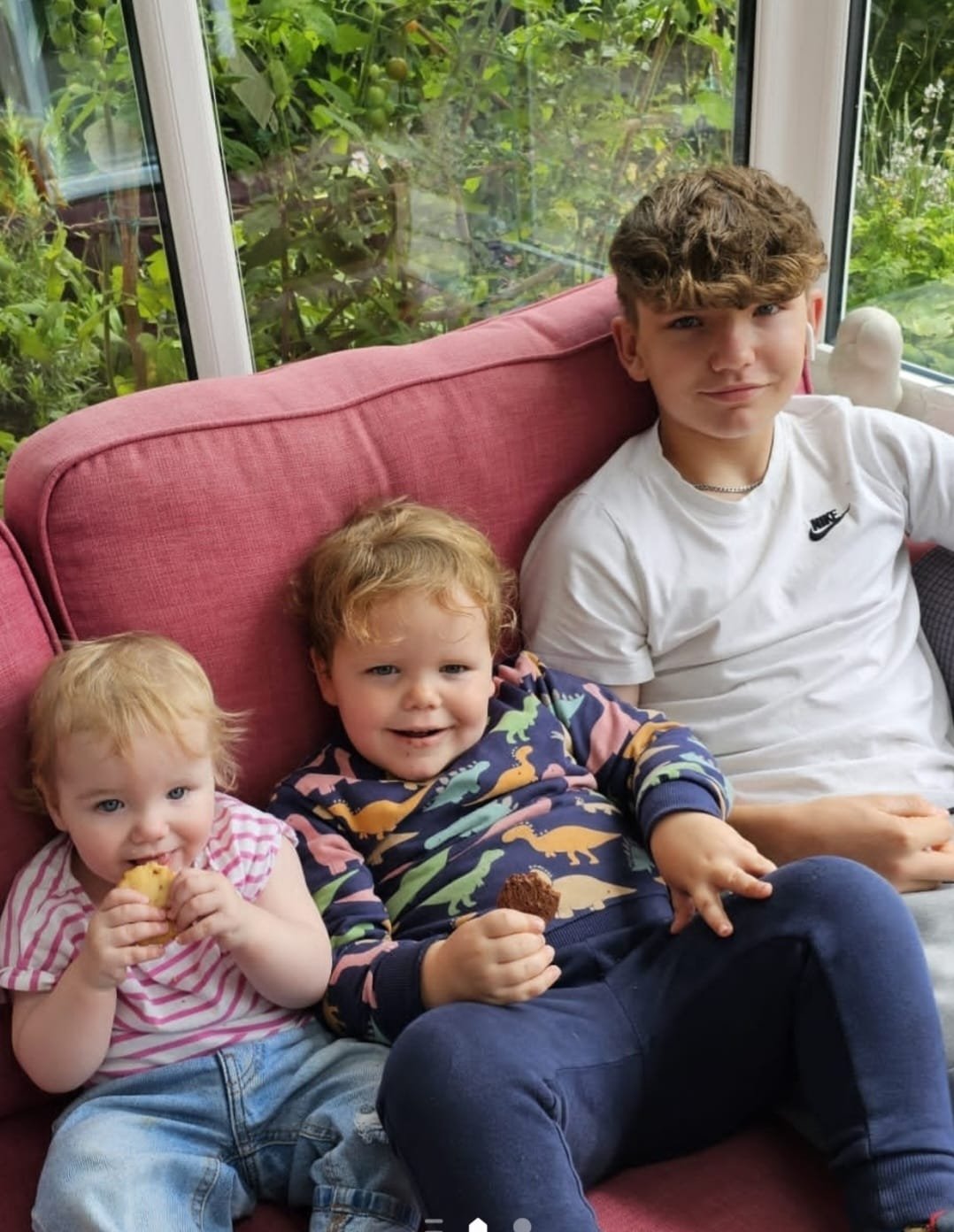
The whole family has come together to support Logan
While all of this was happening, our other children were watching and absorbing far more than we realised. They saw the meetings, the rejections, the phone calls and the emotional strain. They saw the system closing its doors on their brother, and they felt the ripples of it in our home.
What struck me, though, was their resilience.
Despite feeling scared and uncertain, they adapted. They asked questions. They tried to understand a situation that even adults were mishandling. Our eldest in particular showed a maturity far beyond their years. They worried, but they also stepped into the role of protector, constantly thinking about how to support their brother emotionally when adults had failed to support him practically.
Children often carry silent fears, but they also carry incredible strength. Watching my children face this situation with compassion and courage reminded me just how powerful sibling bonds can be.
Rare4Schools would like to highlight to families who find Siblings struggling there are options out there to provide them with support. You can find support at www.sibs.org.uk or contact us for advice and support via email - info@rare4schools.org