
Why Friends and Peers Matter So Deeply for Children With Rare Conditions in School
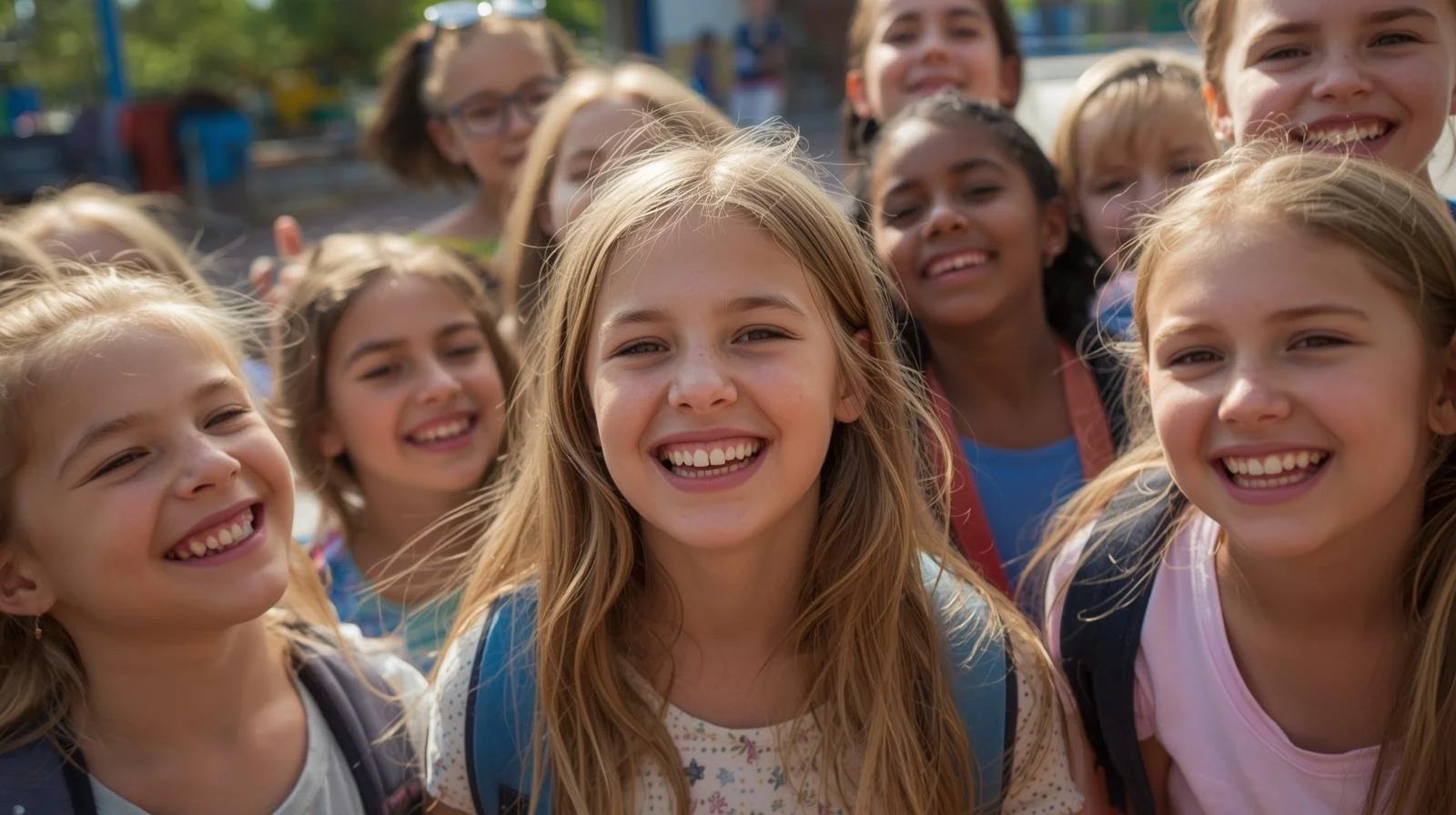
School is more than lessons, timetables, and targets. For every child, it is a social world a place where friendships are formed, identities take shape and belonging becomes the foundation for learning. But for children living with rare conditions, this social world can feel very different.
While every child deserves to feel safe, included, and valued, research shows that approximately half of all children with rare diseases report being bullied at school because of their condition and around 70% say they feel somewhat isolated. These aren’t just numbers. They represent real children navigating daily challenges that many of their peers will never see or fully understand.
At Rare4Schools, we believe that friendship, empathy and peer understanding are not “nice extras”, they are essential parts of an inclusive education.
🌱 Friendships Build Confidence and Identity
For children with rare conditions, friendships can be a lifeline. A single friend who “gets it” can transform a child’s experience of school. Positive peer relationships:
Boost self‑esteem and emotional wellbeing
Reduce anxiety around medical needs or differences
Encourage participation in lessons, clubs, and play
Help children feel seen for who they are, not just the condition they live with
When peers understand a child’s condition even at a simple, age‑appropriate level it can remove fear, reduce stigma and open the door to genuine connection.
🛡️ Peer Support Protects Against Bullying and Isolation
Bullying often grows in the gaps where understanding is missing. When classmates don’t know why a child eats differently, moves differently, misses lessons or needs medical support, assumptions can take root. That’s why awareness and education matter.
Supportive peer cultures can:
Interrupt bullying before it starts
Create allies who stand up for classmates
Reduce the sense of “otherness” that fuels isolation
Build a school environment where differences are normalised, not spotlighted
Children learn compassion from the adults around them. When schools model empathy, pupils follow.
🤝 Peers Help Make School Feel Safe
For many children with rare conditions, school can feel unpredictable. Medical needs, fatigue, sensory challenges or sudden symptoms can make each day different from the last. Friends provide stability.
A trusted peer can:
Walk with them between lessons
Sit with them at lunch
Notice when something isn’t right
Offer reassurance during difficult moments
Celebrate the small wins that others might overlook
These everyday acts of kindness create a sense of safety that no policy alone can achieve.
🌍 Inclusion Is a Community Effort
True inclusion isn’t just about access it’s about belonging. Schools can nurture this by:
Encouraging peer education and awareness
Creating buddy systems or peer‑mentor programmes
Supporting inclusive play and group work
Ensuring staff model acceptance and curiosity
Giving children with rare conditions a voice in shaping their school experience
When peers understand, friendships flourish. When friendships flourish, children thrive.
💛 A Call to Action for Schools
Every child with a rare condition deserves to walk into school knowing they have allies, friends and a community that sees their strengths. The statistics on bullying and isolation remind us how far we still have to go but they also highlight the enormous potential for change.
By empowering peers, educating communities and fostering compassion, schools can transform the daily reality for children with rare conditions.
At Rare4Schools, we’re here to help schools make that happen through resources, training and a movement built on empathy, understanding,# and hope.
Because no child should feel alone.
And every child deserves to belong.